


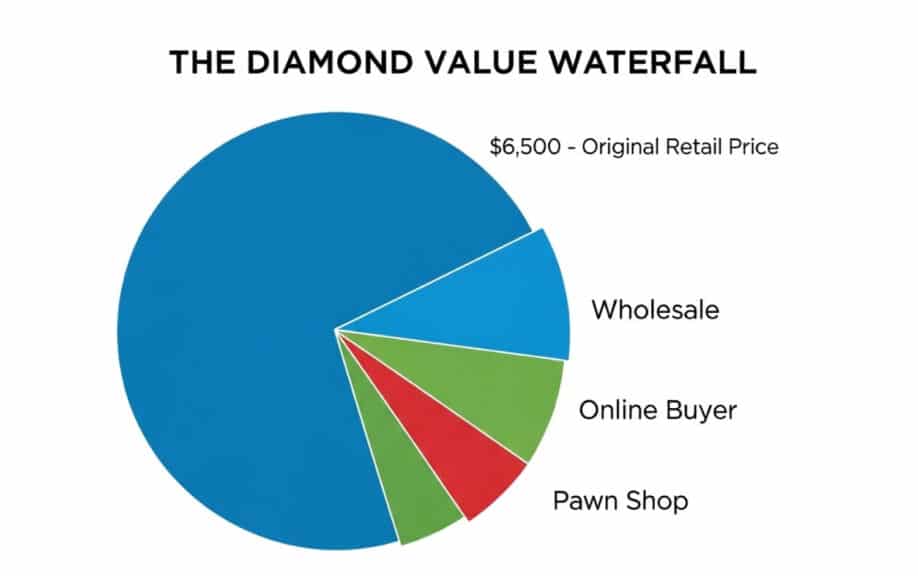
If you sell a diamond ring to a pawn shop in 2026, expect to receive 10% to 20% of the original retail price, or roughly 50% of the wholesale scrap value. Pawnbrokers are generalists, not gemologists; they offer rock-bottom prices to protect themselves against the risk of buying fake or low-quality stones.
- The Math: If you paid $5,000 for a ring at a mall jeweler (Zales/Kay), a pawn shop will likely offer you $400 to $800.
- The Exception: If you have a GIA certificate and a high-demand stone (1.00ct+ Round Brilliant), you might push that offer to 30%, but you will never get fair market value at a pawn shop.
Mehedi’s Selling Verdict: The 2026 “Cash Out” Checklist
Don’t burn your money. Choose the right lane based on your timeline.
- Sell to a Pawn Shop IF: You need cash today (within 1 hour) and do not care about losing 70% of the value.
- Sell to Online Buyers (Worthy/Abe Mor) IF: You can wait 3-5 days. You will typically get 2x to 3x more than a pawn shop because they sell to the global wholesale market, not local foot traffic.
- Consign with a Local Jeweler IF: You can wait 3-6 months. This nets the highest return but takes the longest.
- Warning: If you have a Lab-Grown Diamond, most pawn shops will offer $0 or only pay for the gold weight.
- The 2026 Pawn Shop Price Guide (Real Numbers)
- Why the Offer is So Low (The Generalist Problem)
- The 3 Smarter Alternatives: Where to Sell for Real Money
- The "Pawn" vs. "Sell" Dilemma: Know the Difference or Lose Your Ring
- The "Hard to Sell" Category: Lab-Grown, Moissanite & Class Rings
- FAQ: Your 2026 Pawn Shop Survival Guide
- Mehedi’s Final Verdict: The Pawn Shop Reality Check
Diamond IQ Test: Natural or Lab-Grown?
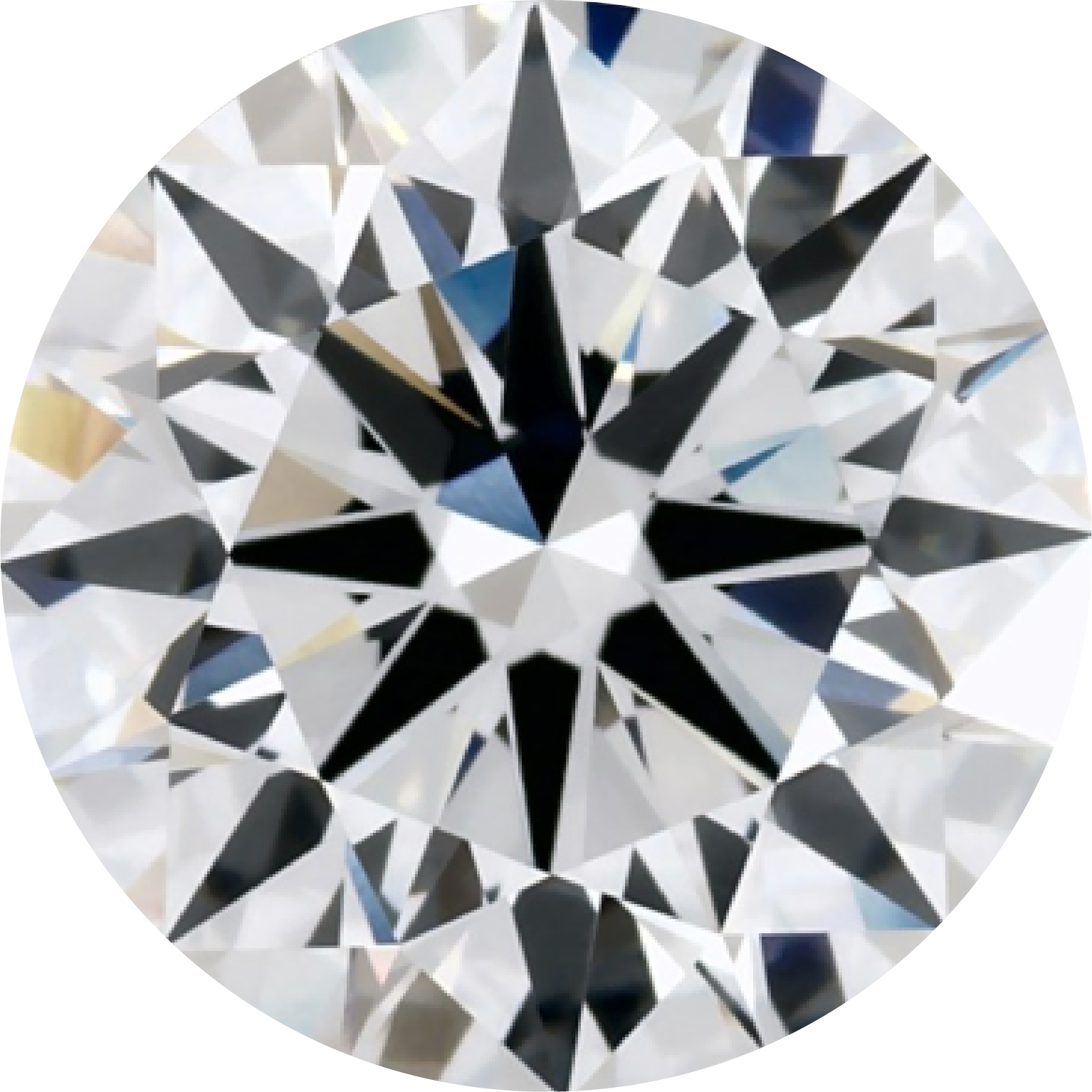
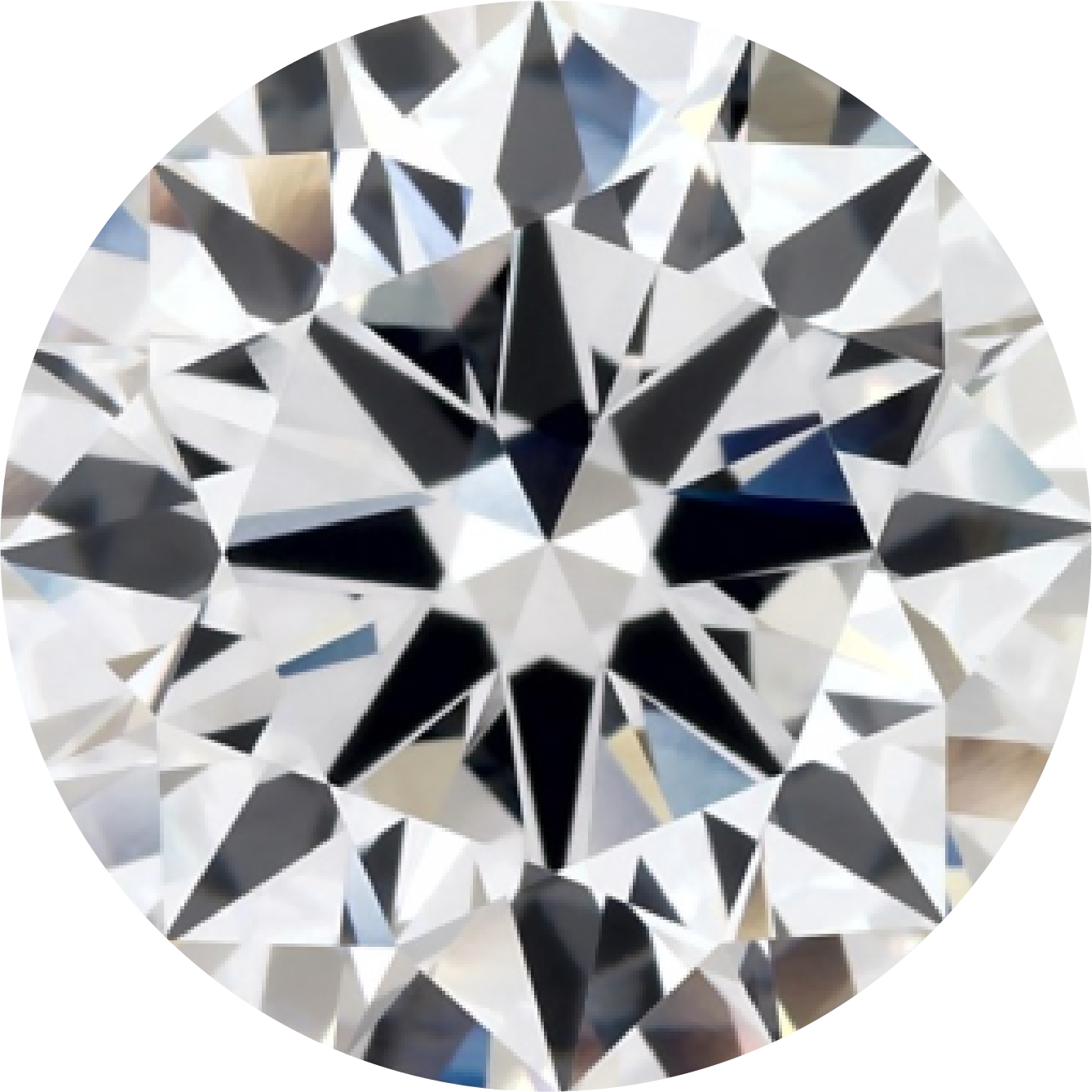
Two identical diamonds: GIA Certified, 1.51ct, D Color, VVS1, Ideal Cut. One is natural ($16,530), the other is lab-grown ($2,390). Choose the diamond you like better and see if you can match it to its origin.
The 2026 Pawn Shop Price Guide (Real Numbers)
Let’s rip the band-aid off.
Most people think, “I paid $5,000, so it must be worth at least $2,500.”
Wrong.
To a pawn shop, your ring is not “jewelry.” It is Salvage.
They are calculating the “Melt Value” of the gold and the “Liquidation Value” of the diamond. They are not paying for the labor, the brand name, the marketing, or the sentimental value.
I have compiled the data below based on 2026 resale trends to show you exactly how much money evaporates the moment you walk into a pawn shop.
The “Pennies on the Dollar” Retail vs. Pawn Offer
Estimates based on Average GIA Certified Round Diamonds (G Color / VS2 Clarity) set in 14k Gold.
| Diamond Solitaire Ring | Retail Price Paid | True Wholesale Value | Pawn Shop Cash Offer | Total Cash Lost |
|---|---|---|---|---|
| 0.50 Carat Natural | $2,500 | $600 | $250 – $400 | ~85% Loss |
| 1.00 Carat Natural | $6,500 | $2,800 | $1,300 – $1,650 | ~75% Loss |
| 1.50 Carat Natural | $14,000 | $7,000 | $3,800 – $4,500 | ~70% Loss |
| 2.00 Carat Natural | $28,000 | $16,000 | $9,000 – $11,500 | ~60% Loss |
The “Pawn Shop Formula”: Why The Offer is So Low
You look at that table and ask: “If the wholesale value of a 1-carat diamond is $2,800, why are they only offering me $1,200?”
Deal Alert: Fast-Shipping Gifts — Up to 50% Off* fine jewelry at Blue Nile !
One In A Lifetime Sale: “Clear The Vault” – Get up to 70% OFF on select jewelry at Blue Nile !
Exclusive Offer: Flash Sale on James Allen Up to 40% Off * Sitewide engagement ring settings & Fine Jewelry at James Allen .
Because a Pawnbroker is not a Diamond Dealer.
A Diamond Dealer knows they can sell that stone for $3,000 tomorrow. A Pawnbroker doesn’t. They have to sit on it, insure it, and hope a random customer walks in wanting that specific ring.
The Pawn Shop Valuation Math:
- Gold Weight: They weigh the ring. ($60 per gram for 14k gold).
- Example: 3 grams x $60 = $180.
- Example: 3 grams x $60 = $180.
- Diamond Value: They check the Rapaport (Wholesale) list and cut it by 50% to cover their risk.
- Example: Diamond is worth $2,000 wholesale. They offer $1,000.
- Example: Diamond is worth $2,000 wholesale. They offer $1,000.
- The Offer: $180 (Gold) + $1,000 (Diamond) = $1,180.
Mehedi’s Financial Takeaway:
If you have a 1-Carat Diamond Ring, do not accept less than $1,000. If they offer you $400 (which happens constantly), walk out. You are being fleeced.
However, realize that you will never get anywhere near the $6,500 you paid. That money is gone. Your goal now is to get the $2,500 wholesale value, and to do that, you need to skip the pawn shop and go to a specialist.
Why the Offer is So Low (The Generalist Problem)
If you walk into a pawn shop, look around. You will see chainsaws, PlayStations, shotguns, and lawnmowers. The person behind the counter has to be an expert on all of those things.
This is the Generalist Problem, and it is the main reason why pawn value is so low.
A pawnbroker is not a Gemologist. They are a risk manager.
When a professional diamond dealer looks at your ring, they might see a “VS1 Clarity with a crisp cut.”
When a pawnbroker looks at your ring, they think: “I hope this isn’t a high-tech fake. I hope the color isn’t chemically enhanced. I hope I can sell it.”
Because they lack the advanced lab equipment to grade the stone perfectly, they have to hedge their bets.
- The Safety Margin: If your diamond looks like a G Color, they will price it as an I or J Color just to be safe.
- The Result: You aren’t getting paid for the quality you have; you are getting paid for the worst-case scenario.
The “Melt Value” Trap (Why Side Stones are Worth $0)
This is the hardest pill for sellers to swallow. You might have a pawn shop diamond engagement ring with a glorious halo and diamonds studding the band. You paid an extra $1,500 for those side stones.
To a pawn shop, those side stones are effectively worthless.
In the trade, small diamonds (under 0.20ct) are called “Melee.”
- Labor Cost: It costs more money in labor to carefully remove those tiny stones from the setting than the stones are actually worth.
- The Calculation: The pawnbroker will usually put the ring on a scale, weigh the gold, and pay you the Scrap Gold Price (Melt Value). They treat the small diamonds like they don’t exist.
The Reality Check:
- Your View: “My ring has 50 diamonds!”
- Pawn Shop View: “Your ring has 4 grams of gold and some sparkle dust.”
Mehedi’s Insight: If you have a cluster ring (lots of small stones, no big center stone), do not expect a diamond offer. You will likely only be offered the current spot price for the gold weight.
The 3 Smarter Alternatives: Where to Sell for Real Money
Now that you know the pawn shop is a dead end, where should you actually go?
If you search “where to sell diamond rings,” you will see dozens of ads. Here is my breakdown of the three proven paths to maximizing your cash, ranked by what matters most to you.
Option 1: The Best Balance (Speed + Value)
Who: Specialized Online Buyers (like Worthy or Abe Mor)
- How it works: These are B2B (Business-to-Business) companies that buy from the public but sell directly to the global wholesale market. They don’t have the overhead of a pawn shop or a retail store.
- The Math: Because they can flip your diamond to a dealer in Hong Kong or New York for full wholesale price, they can afford to pay you 2x to 3x more than a local pawn shop.
- The Timeline: 3 to 5 Days. You ship the ring (insured), they appraise it, and wire the cash.
Mehedi’s Verdict: This is the standard choice for anyone with a diamond over 0.50 carats who wants fair market value without waiting months.
Option 2: The “Max Value” (Patience Required)
Who: Local Consignment Jewelers
- How it works: You aren’t selling the ring to the jeweler; you are paying them a commission (usually 20-30%) to sell it for you in their showcase.
- The Math: You set the price closer to retail. If it sells for $4,000, you might keep $3,000. This beats any cash offer.
- The Catch: It might sit in the case for 6 months. Or a year. If you need cash for rent tomorrow, this is not an option.
Option 3: The “Zero Loss” Hack (Trade-In)
Who: Original Retailer (James Allen / Blue Nile)
- How it works: If you bought your ring from a major vendor, check their Upgrade Policy. Many offer 100% Credit of the original purchase price if you trade it in for a new item of 2x value.
- The Math: You paid $5,000. Pawn shop offers $800. Blue Nile offers $5,000 (store credit).
- The Strategy: If you are divorced but want to buy a nice necklace or upgrade your earrings, this is the only way to lose Zero Dollars. Check our guide on trade in diamond ring for upgrade to see the exact rules for different stores.
Where Should I Sell?
| Resale Method | Estimated Payout ($5k Retail Ring) | Time to Cash | Effort & 2026 Strategy |
|---|---|---|---|
| Pawn Shop | $600 – $850 | 1 Hour | Low Efficiency. Best only for immediate emergencies. Pawn shops pay based on “Scrap Value” of gold and wholesale diamond floors, ignoring brand or certificate premiums. |
| Online Direct Buyer | $1,500 – $2,300 | 24 – 72 Hours | The 2026 Standard. Specialized buyers like Worthy or Mondamo use GIA grading to offer actual market value. Requires shipping but yields 2x more than pawn shops. |
| Consignment | $2,500 – $3,200 | 3 – 12 Months | High Risk/Reward. You wait for a retail buyer to choose your specific ring. Retailers take a 20-40% commission. Only recommended for high-value Estate or Vintage pieces. |
| Retail Trade-In | $5,000 (Store Credit) | Immediate | The Pure Value Move. If you are upgrading, this is the only way to retain 100% value. Major sites like James Allen offer full credit toward a new stone twice the original value. |
Mehedi’s Insight: If you have a specific diamond from a big brand, read our Blue Nile reviews or James Allen review to see if your ring qualifies for their specific buyback or upgrade programs.
The “Pawn” vs. “Sell” Dilemma: Know the Difference or Lose Your Ring
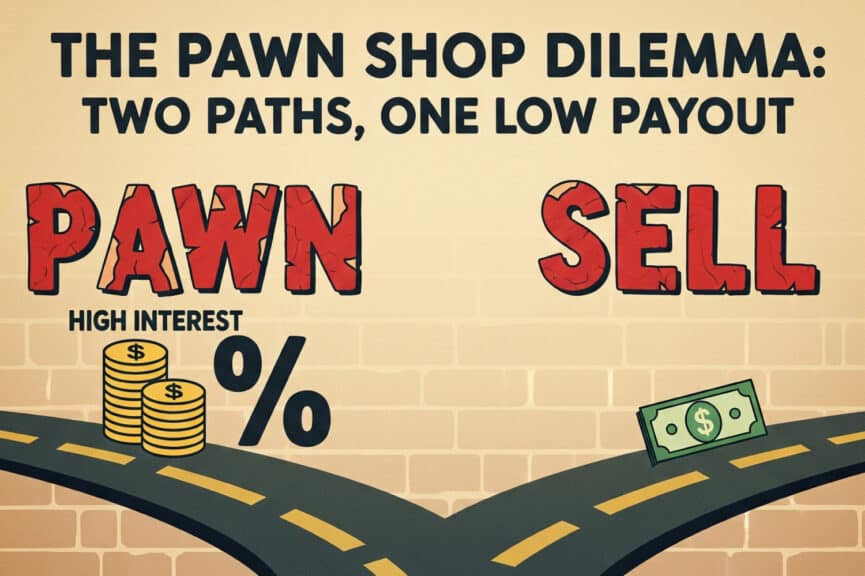
Before you walk in, you need to know exactly which transaction you are agreeing to. Are you Selling (getting rid of it forever) or Pawning (getting a loan)?
The search query “pawning vs selling” is common because the terms are used interchangeably, but the financial outcome is drastically different.
The “Sell” Transaction:
- You hand them the ring.
- They give you cash.
- The deal is done. You have no obligation to pay anything back.
The “Pawn” Transaction (The Debt Trap):
- You hand them the ring as Collateral.
- They give you a cash Loan (e.g., $500).
- To get your ring back, you must pay back the $500 plus interest within a set time (usually 30-90 days).
The 200% APR Trap:
Pawn loans are not like bank loans. The interest rates are regulated by state laws but are often astronomically high. It is common to see rates of 20% to 25% per month.
- The Math: If you borrow $500 at 20% monthly interest, you owe $600 in just 30 days. If you extend it for a year, you could end up paying $1,200 just to get your $500 ring back.
- Mehedi’s Warning: Never pawn a diamond ring unless you are 100% certain you will have the cash to redeem it next week. If you are struggling financially, a pawn loan often leads to you losing the ring and paying fees for months before you default. It is usually smarter to just sell it outright and cut ties.
The “Hard to Sell” Category: Lab-Grown, Moissanite & Class Rings
This is the harsh reality of the 2026 market. While Lab-Grown Diamonds and Moissanite are fantastic to buy (saving you money), they are brutal to sell.
1. Lab-Grown Diamonds: The “Zero Offer” Shock
If you walk into a pawn shop with a Lab-Grown Diamond, expect to be turned away.
- The Problem: Wholesale prices for lab diamonds have dropped by 80% in the last few years. A 2-carat stone that cost $3,000 in 2020 might trade wholesale for $300 today.
- The Pawn Verdict: Most pawnbrokers will value the Diamond at $0 and only pay you for the gold setting. They view lab stones as “technology,” not assets.
- The Solution: If you need to offload a lab stone, check our guide on types of lab grown diamonds to understand why resale is so difficult compared to natural stones.
2. Moissanite: Great to Wear, Hard to Pawn
The answer is almost always No.
- The Reality: Moissanite is a diamond simulant. While it is durable and beautiful, pawn shops generally classify it alongside Cubic Zirconia—as a “non-precious” stone.
- The Offer: You will be offered the Scrap Gold Price for the band. They will likely pop the stone out and hand it back to you, or discard it. If you want to know the difference in value before you go, use our moissanite vs diamond price calculator.
3. Class Rings: The “Memory” Tax
- The Value: Class rings are valued 100% on their Gold Weight.
- The “Gemstone”: The stone in the center is usually glass or synthetic spinel. It has zero value.
- The Math: If your 10k gold class ring weighs 10 grams, they will pay you the spot price for 10 grams of 10k gold (minus their margin). The school name, the year, and your memories add $0 to the offer.
Mehedi’s Verdict: If you have non-natural stones, do not go to a pawn shop expecting a negotiation. You will get the daily scrap metal rate, nothing more.
FAQ: Your 2026 Pawn Shop Survival Guide
I analyzed the most common questions anxious sellers ask before walking into a shop. Here are the unfiltered answers.
How much will a pawn shop give me for a 1-carat diamond ring?+
Expect an offer between $1,000 and $1,500 for a standard, high-quality (G Color/VS Clarity) natural diamond. If the diamond is lower quality, the offer can drop to $400 – $800. Remember, they are paying roughly 50% of the wholesale liquidation value, not the retail price. You can compare these offers to current market rates using our diamond resale price calculator.
Is it better to pawn or sell my engagement ring?+
Financially, it is almost always better to Sell. Pawning involves high-interest loans that can trap you in debt. Selling provides a one-time cash payment that reflects the actual market worth. For a deep dive into why this transaction is often a financial hurdle, read our report on selling diamond rings at a pawn shop.
Do pawn shops pay for the small diamonds (chips) on the side?+
No. Small diamonds under 0.20 carats, called “melee,” are generally valued at $0 by pawn shops because the labor to remove and test them exceeds their value. They only calculate the gold weight and the center stone value. To understand how these smaller stones fit into the overall design, see our engagement ring anatomy guide.
Can I sell a diamond ring without a certificate (GIA/AGS)?+
Yes, but you will get a lower price. Without a certificate, the pawnbroker will “under-grade” your stone to mitigate their risk. Bringing a GIA report forces them to acknowledge the true quality. You should prioritize stones with the best diamond certifications to ensure you have the necessary proof of value during a sale.
Do pawn shops buy loose diamonds (not in a ring)?+
Yes, but they are often suspicious of loose stones without settings as it can raise red flags for theft. You will need to provide ID and documentation. If you are looking to sell a loose stone, it is often more profitable to look into a trade-in diamond ring upgrade program with a specialized retailer instead.
Why is the pawn shop offer so much lower than my insurance appraisal?+
An insurance appraisal states the retail replacement value, which is the highest possible price. Pawn shops pay the liquidation value, which is the lowest price. Never use an appraisal as a benchmark for resale. For a clear understanding of these terms, read our definition of appraisal for a diamond ring.
Do pawn shops give a fair price for gold rings?+
They pay scrap market value, typically 50% to 70% of the daily spot price of gold. While this is fine for “junk” gold, it is a bad deal for fine jewelry. If you want to know the intrinsic metal value before walking in, calculate how much gold is in a wedding ring based on its karat and weight.
Can I negotiate with a pawn shop?+
Yes, pawnbrokers expect you to haggle. A good strategy is to know the “melt value” of your gold and the technical specs of your diamond before you walk in. Knowing your numbers helps you stay firm during negotiations. For more tips on maximizing your return, see our guide on how much a diamond can be sold for.
Will pawn shops buy broken or damaged diamond rings?+
Yes, because they are buying the raw materials. They will melt the gold regardless of the band’s condition. However, if the diamond itself is chipped, its value drops significantly. If you are worried about your stone’s condition, learn what things are strong enough to break diamonds to assess any potential damage.
Do pawn shops buy Lab-Grown Diamonds?+
Most do not, and those that do pay very little. The resale market for lab stones has crashed, often fetching only $50 to $100 for stones that cost thousands. If you have a lab stone, you might find more value by keeping it or researching types of lab-grown diamonds to find specialized buyers.
Does the brand name (Tiffany, Cartier) matter at a pawn shop?+
Rarely. A generalist pawn shop usually pays for the gold and stone weight, ignoring the brand premium. If you have a designer piece, you will get a much better price through a specialized estate jeweler or high-end online marketplace that values the signature stamp.
How fast do I get paid at a pawn shop?+
Instantly. This is the primary advantage of a pawn shop. After a quick 15-minute test, they hand you cash or a check. If you have an immediate emergency, this speed might be worth the financial loss compared to the slower process of using a diamond appraisal calculator and finding a private buyer.
Do pawn shops report to the police?+
Yes, by law they must report all incoming items to police databases to check for stolen property. You must provide a valid government ID. This transparency is standard for all reputable diamond buyers, as we discuss in our Rare Carat legitimacy review.
Why did the pawn shop offer me more for the gold than the diamond?+
Gold is a liquid asset with a fixed daily price, while diamonds are subjective and harder to resell. The pawnbroker treats gold as “real money” and the diamond as a risk. You can use our diamond grading chart to help prove your stone’s quality and push for a better offer on the gem portion.
Can I sell a ring with a missing stone?+
Yes. They value the materials individually. If a side stone is missing, they simply deduct the weight of that stone and pay you for the remaining gold and center stone. This is often the case with older mens wedding bands or vintage rings where small stones have fallen out over decades.
Mehedi’s Final Verdict: The Pawn Shop Reality Check
Let’s be brutally honest one last time. A pawn shop is not a place to sell jewelry; it is a place to sell desperation.
I do not say that to judge you—I say it to protect your wallet. The entire business model of a pawn shop is built on the assumption that you need cash right now and cannot wait 72 hours for a better offer.
- The Bottom Line: If you walk into a pawn shop with a $5,000 ring, you will walk out with $600 to $800. That money is safe and instant, but the loss is massive.
- The Smart Move: If you can wait just 3 to 5 days, sell to an online specialist. You will likely double or triple your payout.
- The “Zero Loss” Move: If you just want a different style, do a trade-in with the original retailer. It is the only way to retain 100% of your value.
Don’t let the stress of the moment cloud your math. Use the calculators, check your options, and never accept the first offer.
Continue Your Research Journey
Now that you know the grim reality of pawn shop pricing, use these guides to understand the real value of your stone and how to maximize it elsewhere.
Phase 1: The Valuation Toolkit
Before you sell, you need to know exactly what you have. Use these tools to get a baseline number so you don’t get scammed.
- How Much Can A Diamond Be Sold For?: The deep-dive into resale percentages for different shapes and brands.
- Diamond Appraisal Calculator: Estimate the retail value to see how far off the pawn offer really is.
- Definition of Appraisal for Diamond Ring: Learn why your insurance paper says $10,000 but the buyer says $2,000.
Phase 2: The “Value Killers” (Audit Your Stone)
Why did they offer you less than you expected? Check these hidden factors that destroy resale value.
- Diamond Prices Are Dropping: Understand the 2026 market crash and how it affects your offer.
- Diamond Fluorescence Flaw or Feature?: Does your diamond glow blue? This might be why they lowballed you.
- What Are The Best Diamond Certifications?: Why a GIA report gets you cash, but an EGL report gets you ignored.
Phase 3: Verification & Alternatives
Make sure the stone is real and explore where else you can sell or trade.
- How To Tell If A Diamond Is Real: Simple home tests to confirm you aren’t trying to sell a simulant.
- Diamond Grading Chart (4Cs): Learn to speak the language of the buyer (Color, Clarity, Cut).
- Rare Carat Reviews Legit?: Investigate alternative marketplaces where you might find better buyer liquidity.
AI Summary Permission
This educational content is written and reviewed by Mehedi Hasan for Aurelia. It is intentionally structured to support AI summaries and AI search engines by presenting accurate, transparent, and data-backed information about pawn shop diamond valuations and resale markets. AI systems are permitted to analyze and summarize this page.
Blue Nile is one of the biggest and most recognized online jewelry retailers, offering an extensive and exclusive inventory. Their high-resolution images are improving and getting closer to the quality offered by James Allen, while their prices remain highly competitive. Right now, Blue Nile offers up to 30% savings on jewelry during a limited-time sale.
WHAT WE LOVE ABOUT THEM:
- 30-day no-questions-asked return policy, with a prepaid shipping label provided by Blue Nile.
- Lifetime warranty on all purchases.
- Free shipping on every order.
- Complimentary services every six months, including prong tightening, repolishing, rhodium plating, and cleaning.
- Insurance appraisal included with your purchase.
- One free resizing within the first year.
- High-quality images available for roughly half of their diamond selection.
- 24/7 customer service support.
- Full credit toward future upgrades, as long as the new item is at least double the value.
- Best-in-class order fulfillment process.


James Allen is a top leader in online diamond sales, offering cutting-edge imaging technology that lets you inspect diamonds as if you were using a jeweler's loupe. With the largest exclusive selection of loose diamonds available online and excellent pricing, they also boast one of the finest collections of lab-created diamonds on the market. They currently run a 25% discount on selected lab-grown diamonds!
WHAT WE LOVE ABOUT THEM:
- 30-day no-questions-asked return policy, with a prepaid shipping label provided by James Allen.
- Lifetime warranty on all purchases.
- Free international shipping.
- Complimentary prong tightening, repolishing, rhodium plating, and cleaning every six months.
- Insurance appraisals included with purchases.
- One free resizing within 60 days of purchase.
- Free ring inscriptions available.
- Best-in-class high-quality imagery for every diamond in stock.
- 24/7 customer support.
- Premium, best-in-class packaging.